
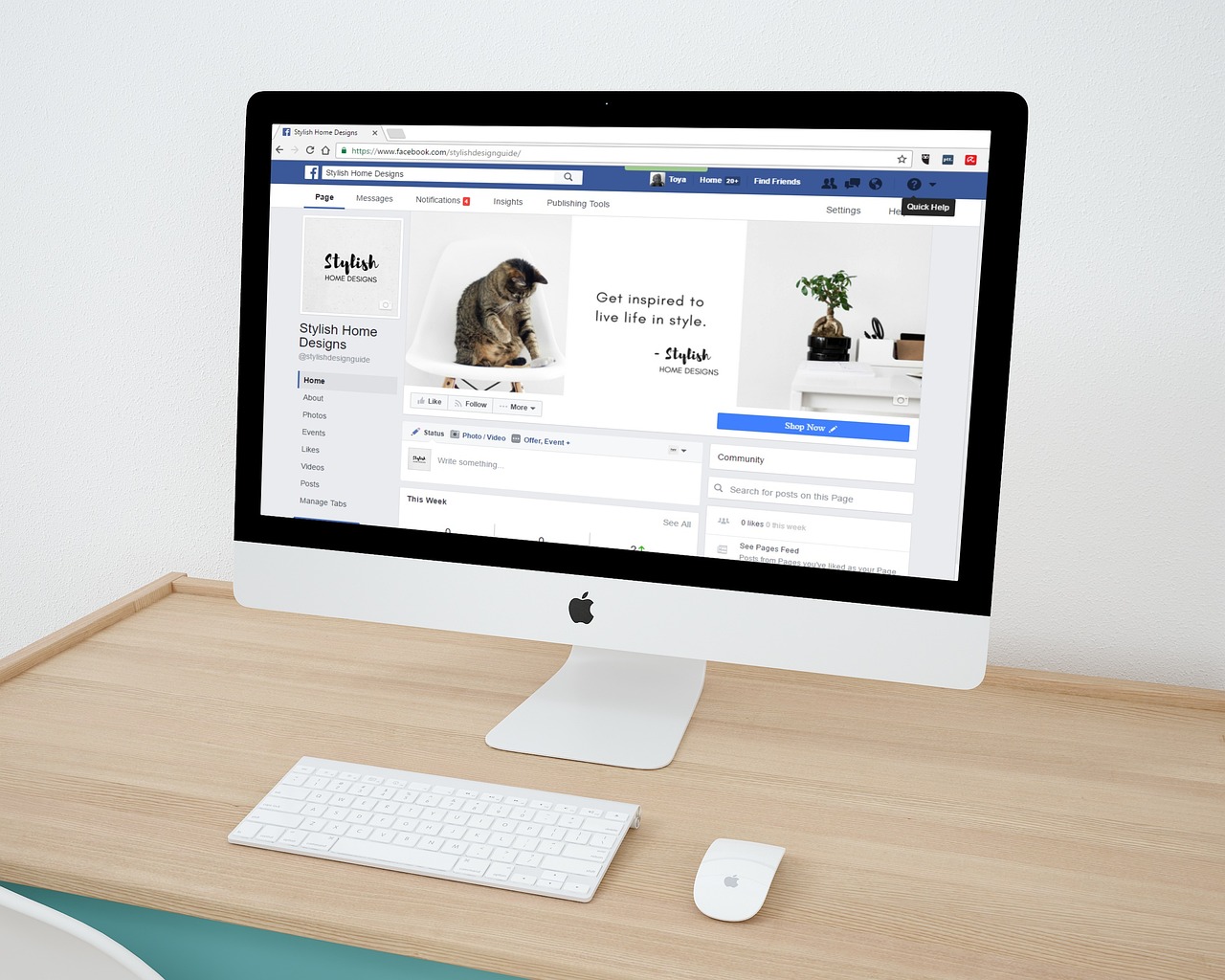
Navigating the world of Facebook Ads can feel like trying to hit a moving target. With its vast audience and advanced targeting features, it offers incredible opportunities for businesses. Yet, many find themselves lost in the process, facing underwhelming results due to a few common yet crucial missteps. Imagine investing your time and budget into Facebook Ads only to see minimal returns. It’s frustrating, but it doesn’t have to be this way. In this article, we’ll unveil the common mistakes in facebook ads for business and reveal actionable strategies to help you avoid them. Let’s transform your ad campaigns from frustrating flops into powerful tools for growth.
Underestimating Audience Segmentation
 One of the most frequent errors in Facebook Ads is failing to segment and target the right audience properly. Many advertisers set up broad targeting parameters, resulting in ads reaching users who aren’t interested in their products or services. To avoid this, leverage Facebook’s detailed targeting options to create particular audience segments. Use criteria such as demographics, interests, behaviors, and location to refine your audience. Additionally, consider creating custom audiences based on your existing customer data and lookalike audiences to target individuals similar to your best customers.
Neglecting Ad Creative Quality
Your ads’ visual and textual components are critical for capturing attention and driving engagement. A common mistake is using low-quality images or generic copy that needs to stand out in the crowded Facebook feed. To prevent this, invest in high-quality, eye-catching visuals and craft compelling ad copy that communicates your value proposition. Use a consistent brand voice and include a solid call to action. Regularly test different ad creatives to see which elements resonate best with your audience and make adjustments based on performance data.
Ignoring Mobile Optimization
With most Facebook users visiting the platform through mobile devices, you need to ensure the ads are optimized for mobile viewing. Many advertisers overlook this aspect, leading to ads that don’t display correctly or have slow load times on mobile devices. To avoid this, ensure your ad images and videos are formatted for mobile screens, and ensure your landing pages are mobile-friendly. Use Facebook’s ad preview tool to check how your ads appear on different devices and make necessary adjustments to enhance the user experience
Failing to Monitor and Analyze Performance
Another common error is needing to monitor and analyze ad performance regularly. You must track key metrics like click-through rate (CTR), conversion rates, and return on ad-spend (ROAS) to ensure you get valuable insights that could help optimize your campaigns. Use Facebook Ads Manager to review performance data and identify trends. Set up conversion tracking that measure effectiveness of your ads in driving desired actions. Regularly analyze the data to make better decisions and refine your ad strategies for better results.
Overlooking Testing and Optimization
 Many advertisers mistakenly set up their campaigns and then leave them unchanged, resulting in missed opportunities for improvement. To prevent this, adopt a mindset of continuous testing and optimization. Experiment with various ad formats, …

 Setting clear objectives is the foundation of any successful digital marketing campaign. Before diving into tactics, take the time to define what you want to achieve. Whether it’s increasing brand awareness, driving website traffic, or generating leads, clarity is key. When establishing your goals, make sure they are specific, measurable, attainable, relevant, and time-bound (SMART). This framework will help keep your objectives focused and actionable. Communicate your objectives clearly with your digital marketing agency so everyone is aligned on success. By having a shared understanding of the end goal, both parties can work towards achieving measurable results together.
 Understanding attribution modeling is crucial for accurately measuring the success of your digital marketing efforts. It allows you to attribute credit to various touchpoints along the customer journey, giving you valuable insights into which channels are driving conversions. By analyzing how different interactions contribute to a sale or conversion, you can optimize your marketing strategies for better results. There are various attribution models, such as first-click, last-click, linear, time decay, and more.
 One of the essential benefits of backlinks is that they help your website rank higher in SERPs. As we mentioned before, when other sites connect to yours, it informs Google that your site is an authority on a specific topic. It helps your website rank higher for relevant keywords, which means more traffic and sales for your business.
 Domain authority is a metric that measures how well your website will rank in SERPs. The higher your domain authority, the better your chances are of ranking for relevant keywords and driving traffic to your website. One factor that determines your domain authority is the number of backlinks pointing to your website.
 Organic marketing is all about building a relationship with your target audience. It’s not about bombarding them with ads or selling them on your product. Instead, it’s about providing valuable content to help them make informed decisions about their purchase.
 Organic marketing is all about building relationships. When you provide valuable content to your target audience, they will likely follow you on social media or sign up for your email list. This allows you to stay in touch with them and build a rapport over time.

 Groupon, a popular ecommerce marketplace, has de-indexed its website for nearly 6 hours to test the effects of de-indexing. Groupon found that organic traffic dropped by almost 60% after de-indexing, while direct traffic dropped by nearly 60%. You can drive more traffic to your website by avoiding fundamental problems like misattribution and de-indexing.